


Righteous Clothing Size Chart Demystified: Avoiding Typical Fit Slip-Ups
Buying clothes over the internet means you aren’t able to try an item on before you buy it, and this reality triggers more returns than any other issue in online clothing sales. The Righteous brand has forged a following on bold graphics and urban-style shapes, but even the most striking design falls flat if the fit is wrong. Getting familiar with how Righteous garments are cut, where they run roomy, and where they run snug, will save you time, money, and the hassle of a return shipment. This guide walks through the hands-on aspects of sizing so your next order arrives ready to wear, not headed straight back to sender.
The Righteous label has become a well-known name in the streetwear space, and part of that reputation rests on dependability. Buyers who grasp the way Righteous sizes its garments tend to report fewer sizing issues than those who guess based on a single different label’s measurements. Because fit standards vary so much brand to brand, treating each order as its own decision, rather than assuming a blanket sizing norm, is the smartest approach.
What’s Behind So Many Fit Errors
Most fit mistakes come down to one thing: shoppers use their size from a separate label to a new one without checking the true specs. A medium in one label can differ by two or three inches in chest width from a medium elsewhere. Such a variance is enough to turn a relaxed streetwear fit into either a formless oversized look or an overly snug squeeze across the shoulders.
A second frequent mistake is ignoring the difference between body measurements and garment measurements. Body measurements describe you; garment measurements describe the garment on its own, including built-in allowance added in for style. A hoodie meant to have an loose, drop-shoulder style will always righteous hoodie measure larger than your real chest dimension, and that is by design, not a mistake in the chart.
Shrinkage after washing is a third factor buyers don’t account for. Cotton-dominant items, including many Righteous hoodie styles, can shed a small percentage of their size in the first few washes if not cared for properly. Reviewing the care label before the first wash and adhering to it closely reduces this risk substantially. Cold water and low heat drying settings preserve fit far better than warm or hot laundering.
How to Measure Yourself Correctly
A trio of numbers matter most of all before ordering anything: bust, waist, and your preferred length. Circle a flexible tape measure around the fullest part of your bust, keeping it level and secure but not constricting. Do the same around your natural waistline, typically just above the belly button. Jot down your preferred garment length by taking measurements of a pullover or T-shirt you own already and enjoy wearing, measured from shoulder seam to hem.
Note these three numbers down before looking through the Righteous clothing brand’s product pages. Having them ready prevents hasty guesses on size based on assumptions or by what “feels right” based on memory and nothing else. Memory can trick you, but a tape measure won’t.
It’s worth taking the time to measure a garment you own already that reflects the fit you want in a new item, laid flat, and cross-reference that flat measurement to the product’s published measurements. This method of measuring flat is more precise than trusting standard S/M/L labels, since generic sizing categories change with cut and season, especially given that Righteous apparel refreshes its shapes each year.
Making Sense of the Righteous Size Chart
A size chart typically lists measurements in inches or centimeters across a top-to-bottom row of sizes, with chest, waist, and at times hip and length measurements underneath. The trick is aligning your physical measurement to the matching row, not the closest letter grade. When your measurement lands between two size options, choosing the bigger size is generally the more dependable option for street-inspired garments built for a relaxed silhouette, while opting for the smaller size works best for anyone seeking a slimmer, more tailored look.
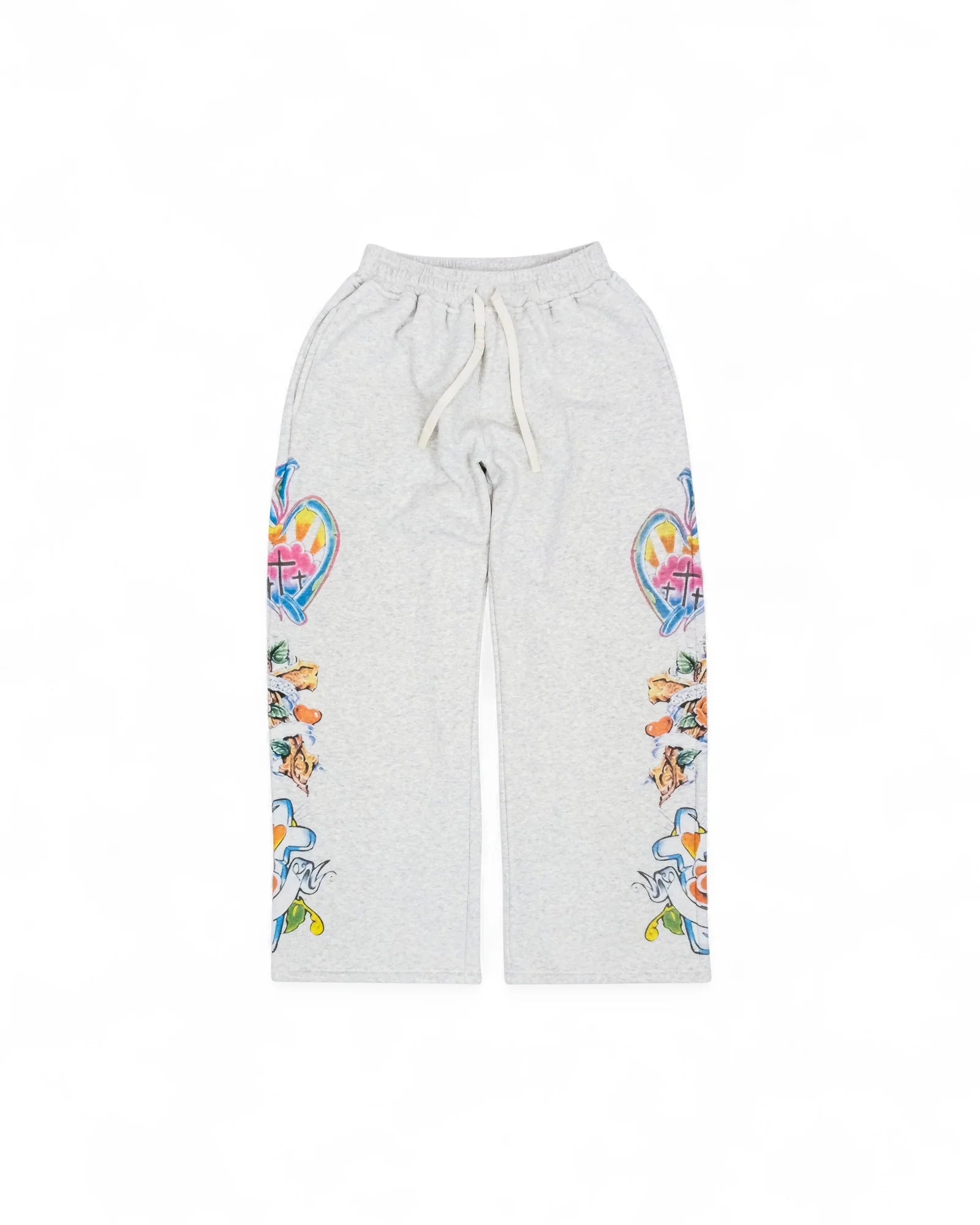
Be mindful of the units used. Getting cm and inches mixed up is a regular but needless error that brings about garments arriving nowhere near the right fit. Verify the unit indicator at the top of the chart without fail, even if you’ve ordered from the same brand before, since specifications can be changed between collections.
Presented here is a general comparison of how a relaxed urban fit typically differs from a slim or standard fit across chest measurements, to show why silhouette choice matters just as much as size letter.
| Size Name | Tailored Fit Chest (inches) | Loose/Oversized Chest Measurement (inches) | Suggested Chest Range (inches) |
|---|---|---|---|
| Small | 36-38 | 40-42 | 34-36 |
| Medium | 39-41 | 43-45 | 37-39 |
| Large | 42-44 | 46-48 | 40-42 |
| XL | 45-47 | 49-51 | 43-45 |
What you see above is a rough demonstration of how fit style shifts the numbers associated with the same size label, not a swap for the precise measurements found on each product page. Take a moment to check the exact chart paired with the item you want, since a Righteous hoodie and a snug-fit tee will not have the same proportions even in the same size label.
Understanding Fit Variation Among Hoodies, Tees, and Bottoms
Since the brand’s hooded pieces are typically shaped with surplus room across the torso and sleeves to achieve that signature loose urban hang, going with your usual tee size can leave you with a fit that’s unexpectedly roomy. If your taste runs toward a slimmer silhouette, checking the garment’s chest measurement against your own—rather than assuming your regular letter size—avoids an unwelcome surprise.
Tee cuts behave in a different way. As they use reduced fabric, and are commonly worn as an under-layer, a snugger fit is more typical in tee sizing charts than in hoodie charts. A person sized large in a Righteous hoodie could easily land in a medium for one of the brand’s tee styles, depending on the intended degree of oversized fit.
Lower-body styles add a third variable: waist compared to hip sizing, plus leg length. Even when the waist checks out, joggers or shorts from the brand can still feel tight or loose through the hip depending on your body shape, which is why both figures usually appear together. Comparing both numbers, not just the waist, heads off an unpleasant surprise.
How Righteous Reviews Shed Light on Fit
Reviews from past buyers is one of the most useful tools available when a standard measurement table alone fails to address your specific question. More often than not, a detailed Righteous review will flag whether a piece runs true, large, or small, giving you real-world context the chart alone can’t provide. Repeated observations across many reviews are more trustworthy than a lone opinion, since builds and personal preferences differ from person to person.
As you skim a We Are Righteous review, look for any reference to the reviewer’s usual size at other brands and how it stacked up against the Righteous piece. A reviewer who says “I’m usually a medium everywhere and this fit true” offers a helpful data point, especially if several other reviewers echo the identical impression.
It’s also helpful to note height and weight details when reviewers include them, since such details add depth that a flat measurement chart cannot. Even with identical chest measurements, two people of different heights might favor different hoodie lengths—nuances that reviews tend to reveal better than a fixed chart ever could.
Typical Fit Pitfalls to Watch For in 2026
The most frequent mistake remains skipping the size chart entirely and ordering based on assumption. Loyal We Are Righteous customers should still verify the latest charts each season, given that fits can shift slightly from one drop to the next. A size that fit perfectly a year back could shift somewhat as pattern blocks get updated.
A further error involves overlooking piece length rather than only verifying width. A hoodie can have the correct chest dimension but a surprisingly short or long body length, which affects how it hangs when worn with assorted bottoms. Comparing the length measurement against a piece you already own is a five-minute step that prevents a lot of regret.
Finally, don’t disregard the return and exchange policy before you buy, and treat it as a safety net rather than avoiding a purchase for fear of getting it wrong. Despite careful measuring, sporadic mismatches happen, and being aware you have that option lifts needless pressure from every order.
Taking these steps, measuring precisely, reading the specific chart for each item, and comparing real customer feedback, transforms a possibly frustrating guessing game into a straightforward decision. Righteous’s clothing rewards this modest bit of upfront effort with garments that fit as intended, season after season.